 Call us now:



Many compassionate people unknowingly fall into the role of “The Fixer.” The journey from Fixer to Healer often begins when emotional exhaustion, over-giving, and weak boundaries start affecting your peace, relationships, and sense of self. While helping others naturally comes from having a caring heart, constantly trying to fix everyone can leave you feeling drained, overwhelmed, and disconnected from your own healing.
At first, this role can feel good and rewarding because being needed can create a sense of purpose, connection, and even identity. But over time, constantly fixing others often leads to internal and physical depletion, resentment, anxiety, burnout, and disconnection from your own needs.
This is especially true for highly sensitive people, caregivers, empaths, and those who grew up believing their self-worth was tied to taking care of others.
You see the truth IS: fixing and healing are not the same thing. And learning the difference can completely transform your relationships, emotional health, and sense of inner peace.
What Does It Mean to Be a “Fixer?”
A “Fixer” feels responsible for other people’s emotions, decisions, struggles, or outcomes.
Fixers often:
- Rush to solve problems before being asked
- Feel anxious when loved ones are upset
- Overextend themselves emotionally or financially
- Try to prevent others from discomfort or consequences
- Ignore their own needs while caring for everyone else
- Believe love means rescuing others and/or sacrificing themselves
- Feel guilty when they set boundaries
Fixing frequently comes from having a good heart, but it can also come from fear. This can present as fear of conflict, rejection, being unloved, losing control, or watching someone struggle.
Sometimes, fixing becomes a way to manage our own discomfort rather than truly helping another person grow.
When we constantly rescue others, we can unintentionally prevent them from learning, healing, becoming accountable, or discovering their own strength.
What Does It Mean to Be a Healer?
Like a coach, a “Healer” supports growth instead of controlling outcomes.
Healing energy is grounded, compassionate, and respectful of personal responsibility. A Healer does not carry another person’s life for them. Instead, they create space for truth, awareness, encouragement, and empowerment.
Healers:
- Listen without trying to control
- Offer support without over-functioning
- Allow others to make their own choices
- Hold compassionate boundaries
- Understand they cannot heal someone who is unwilling
- Care deeply without abandoning themselves
- Value peace over emotional chaos
A Healer recognizes that every person has their own journey, lessons, timing, and free will.
This does not mean becoming cold, detached, or uncaring. It means learning to give love without losing yourself.
Why Many Women Become Fixers
Many women were conditioned from a young age to prioritize everyone else’s comfort before their own. They were praised for being “good,” helpful, accommodating, selfless, and emotionally available at all times.
Over time, this conditioning can result in unhealthy patterns such as:
- People-pleasing
- Codependency
- Chronic over-giving
- Difficulty saying NO
- Attracting emotionally unavailable people
- Feeling responsible for everyone’s happiness
The Fixer role can become deeply tied to identity. A Fixer may wonder:
“If I’m not needed, who am I?”
“If I stop helping, will people still love me?”
These are important questions because true self-worth cannot be built solely on sacrifice.
Boundaries Are Part of Healing
This is why boundaries are so important.
Boundaries are not walls that shut people out. Healthy boundaries are loving guidelines that protect your emotional, mental, physical, and spiritual well-being.
A Healer understands:
- It is not selfish to rest
- Saying NO is healthy
- You are NOT responsible for saving everyone
- Supporting someone does not require self-abandonment
- Compassion and boundaries can coexist
Sometimes the most healing thing you can do is allow someone to face their own choices while staying loving and supportive from a healthy distance.
The Shift From Fixing to Healing
Moving from Fixer to Healer is a journey of emotional maturity and self-love.
It requires:
- Becoming aware of unhealthy patterns
- Learning to be okay with discomfort without rescuing
- Releasing guilt around setting boundaries
- Trusting others to navigate their own lives
- Reconnecting with your own needs, passions, and healing
This shift may feel uncomfortable at first because you are changing long-standing emotional habits. Don’t be surprised when people who benefited from your over-giving may not always immediately understand your new boundaries.
But over time, healthier relationships begin to emerge that are built on mutual respect instead of emotional dependency.
Most importantly, you begin to experience more peace within yourself.
Healing Begins Within
True healing is not about controlling everyone around you so you can finally feel safe or worthy.
It is about learning to lean into your own inner wisdom, self-respect, emotional balance, and trust.
You can love deeply without carrying everyone’s burdens.
You can support others without saving them.
You can care without self-sacrifice.
AND, you can choose relationships that nourish you rather than drain your spirit.
The journey from Fixer to Healer is ultimately a journey back to yourself… where peace, balance, and self-worth no longer depend on rescuing everyone else.
About the Author
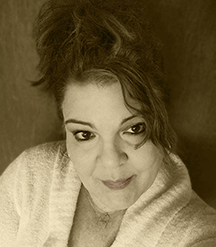
Dina Tulli Davis is a passionate, life purpose coach and light healer dedicated to helping individuals unlock their true potential and achieve their dreams. With two decades of experience in personal and spiritual development as well as personal brand coaching, Dina empowers her clients to overcome obstacles and live life on purpose. Her unique approach combines practical strategies with deep inner work to create lasting change.
Want to discover your authentic self and life purpose? Are you ready to live a soul-fulfilled life? CLICK HERE to explore my current coaching program, session and workshop offerings and contact me to schedule your complimentary Discovery Coaching Session.
Would you like to use this article or an excerpt from it? If you would like to use or quote any part of this article, please send me a written request for permission. I am happy to grant permission for appropriate use. CLICK HERE to contact me. Thank you for respecting my work!